

The Social Brain and Pain Circuits
What if the reason rejection hurts so deeply isn’t because you’re “too sensitive,” but because your brain is processing it as real pain?
In my latest article, The Social Brain and Pain Circuits, I explore the neuroscience behind why social rejection, criticism, and disapproval activate the same brain regions as physical injury—and why this effect is often intensified for adults with ADHD. This isn’t fragility. It’s neurobiology shaped by years of misattunement, emotional labor, and longing for connection.
If you’ve ever wondered why small moments feel so big, or why your body reacts before your mind can catch up, this piece is for you.

The Neurobiology of Emotional Hyper-Reactivity in ADHD: Understanding Rejection Sensitive Dysphoria
Attention Deficit Hyperactivity Disorder (ADHD) is frequently mischaracterized as a disorder of attention. While challenges with sustained focus are the most visible symptoms, they are secondary to a more fundamental neurobiological reality: ADHD is a disorder of regulation. The ADHD brain struggles to consistently modulate a wide array of processes, including attention, emotion, arousal, sensory input, motivation, and even the perception of time. These domains do not operate in isolation; they share neural pathways, neurotransmitters, and networks responsible for interpreting, prioritizing, and responding to environmental and internal stimuli. Emotional regulation cannot be extricated from attentional control because both depend on the dynamic functioning of fronto-limbic circuits, dopaminergic pathways, and prefrontal cortical systems that inhibit, contextualize, and soothe.

Telehealth Therapy vs In-Person — Which Is Right for You?
Are you wondering whether telehealth therapy or in-person sessions are the right fit for you? This is a common question for teens and adults seeking mental health support in Woodinville, WA, and the surrounding Eastside communities. Whether you’re navigating ADHD, trauma, or other emotional challenges, understanding the differences can help you make an informed decision and feel confident in your care.v
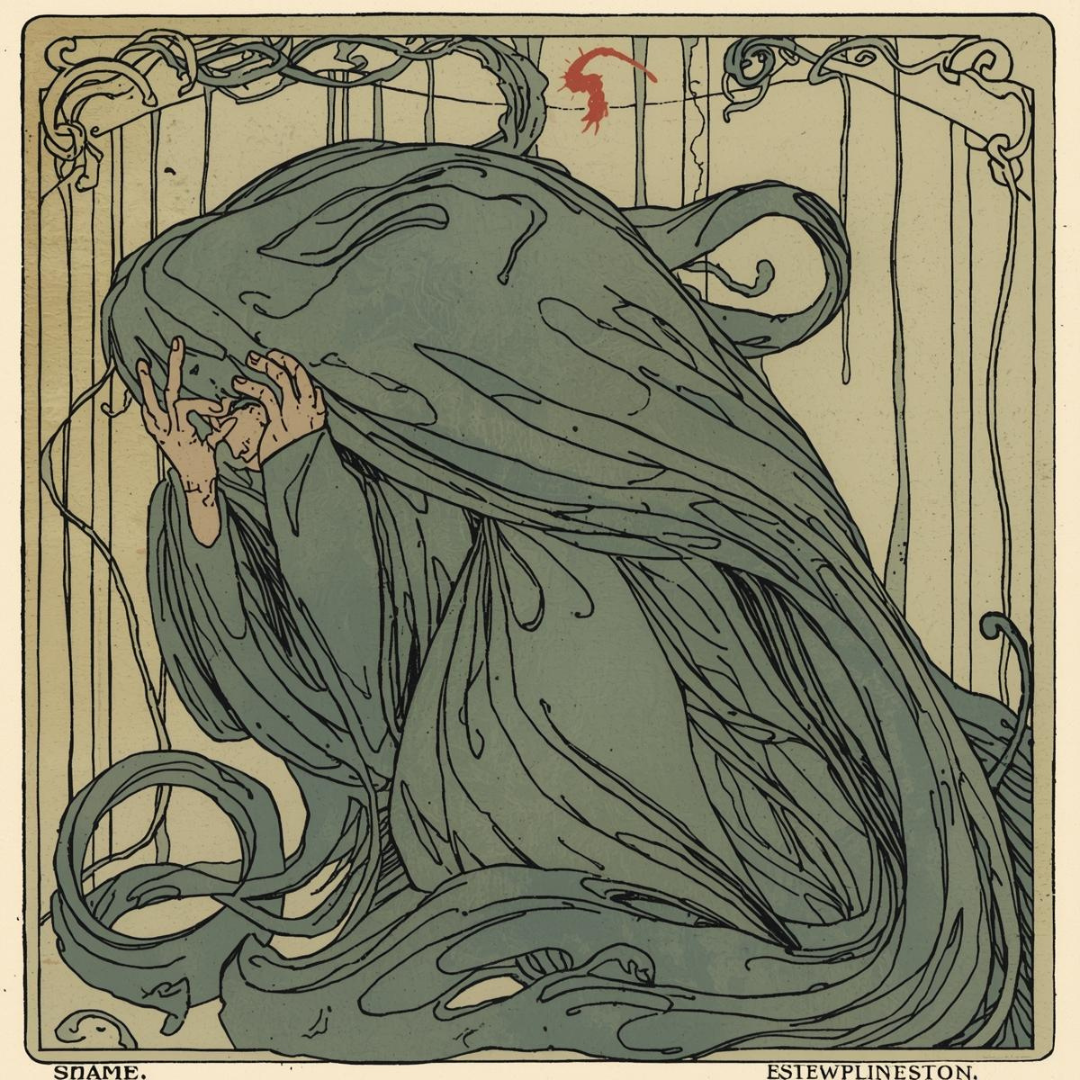
Understanding RSD: The Body’s Cry For Belonging
Rejection Sensitive Dysphoria (RSD) is commonly described as an intense emotional reaction to perceived criticism, disapproval, or exclusion. However, for individuals with ADHD, this response is neither exaggerated nor disproportionate; it reflects a neurobiological event directly linked to belonging, identity formation, and perceived relational security.