
Understanding RSD: The Body’s Cry For Belonging
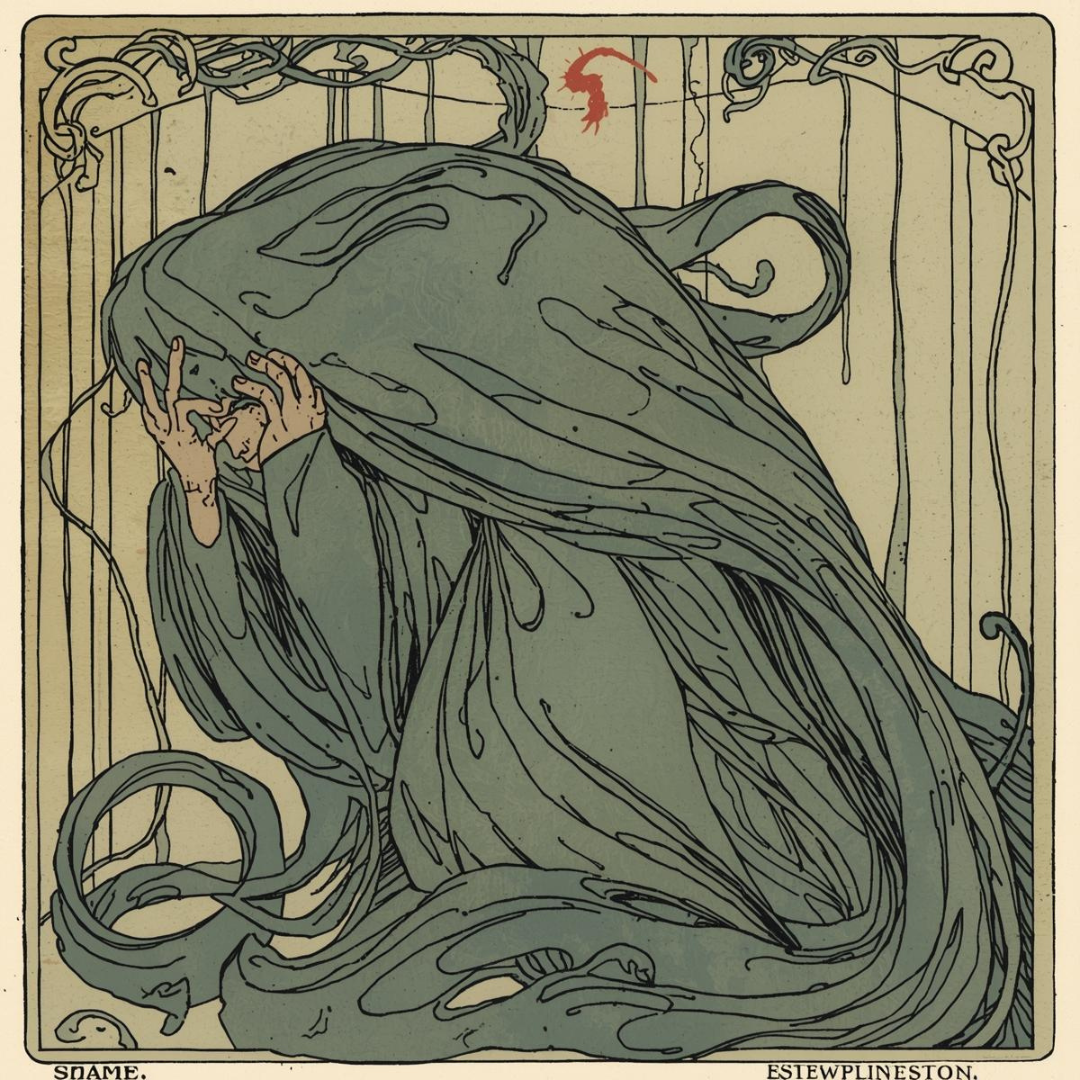
Rejection Sensitive Dysphoria (RSD) is commonly described as an intense emotional reaction to perceived criticism, disapproval, or exclusion. However, for individuals with ADHD, this response is neither exaggerated nor disproportionate; it reflects a neurobiological event directly linked to belonging, identity formation, and perceived relational security. Empirical research demonstrates that experiences of social rejection activate the same somatosensory regions implicated in physical pain, particularly when the rejection is experienced as meaningful (Kross et al., 2011). Additional neuroimaging studies show that the anterior cingulate cortex and insula (regions involved in processing both emotional distress and bodily threat) also become highly active during social exclusion, suggesting that the brain codes relational rupture as a form of danger to the self (Eisenberger & Lieberman, 2004). For ADHDers, whose regulatory systems rely heavily on dopamine-supported pathways, decreased dopaminergic signaling further weakens the buffering capacity needed to contextualize interpersonal cues, making perceived criticism far more neurologically potent (Shaw et al., 2014). Thus, RSD is not simply an emotional reaction; it is an embodied response encoded within the brain’s threat, reward, and attachment systems, reflecting a learned association between relational misattunement and potential loss of connection.
For many ADHDers, RSD does not register as “hurt feelings.” It manifests as immediate, unmistakable somatic distress: a tightening or collapse in the chest, pressure gathering behind the eyes, a sudden drop in the stomach, or a wave of heat that rises before a single coherent thought can form. These sensations often mirror classic threat physiology (accelerated heart rate, shallow breathing, muscle bracing) because the body is responding as if a danger has appeared in the relational field. Individuals frequently describe an abrupt surge of panic, shame, or an urgent impulse to withdraw, appease, explain, or defend themselves. This is not an intellectual appraisal; it is the nervous system mobilizing to protect connection in the milliseconds before the thinking brain can intervene. In this context, RSD is not evidence of personal deficit or emotional immaturity, but a reflection of how the ADHD brain rapidly codes social cues, ambiguity, or disappointment as threats to attachment and identity.
Understanding RSD requires recognizing a foundational truth: RSD is the body’s cry for belonging. It is not a sign of emotional immaturity, instability, or hypersensitivity, but a physiological alarm shaped through years of inconsistent attunement, misattuned caregiving, chronic correction, or unmet attachment needs. When a nervous system grows up in relational environments where connection feels unpredictable, conditional, or easily disrupted, it becomes wired to anticipate rupture long before it actually occurs. The body learns to scan for the smallest cues (tone shifts, pauses, expressions, changes in rhythm) as potential indicators that closeness may be slipping away. In these moments, the response doesn't come from conscious thought but from the ancient parts of the brain responsible for survival and attachment. At its core, RSD functions as a somatic plea: “Do not abandon me; connection is essential to my survival.” What looks like disproportionate emotion is, in truth, the body’s attempt to protect the bonds it was never fully sure it could trust.
This reaction occurs beneath conscious awareness. RSD is not truly about the sigh, the subtle shift in tone, the unanswered text message, or the fleeting expression someone barely notices. It is the internal cascade that begins the moment the brain registers, even inaccurately, that belonging might be at risk. Long before the thinking mind has time to interpret or contextualize what is happening, the nervous system mobilizes the same ancient survival responses that protected humans throughout evolutionary history. These systems were designed to detect and respond to threats faster than conscious thought could intervene. For individuals with ADHD, this process happens even more rapidly and with greater intensity because their emotional processing pathways are hyper-responsive and less regulated by dopamine-supported executive circuits. What looks, from the outside, like an “overreaction” is often a full-bodied neurobiological event unfolding in milliseconds: the amygdala fires, the autonomic nervous system surges, and the body prepares for relational danger it believes is imminent.
Inside that moment, the body is not responding to logic, intention, or context; it is responding to the possibility of disconnection. And for someone whose nervous system has been shaped by years of misattunement, misunderstanding, or inconsistent relational safety, that possibility feels life-threatening. This is why reassurance that “no one is upset” or “it’s not a big deal” often fails to soothe. The reaction is not being driven by conscious belief; it is being driven by neuroception, the body’s subconscious detection of safety or threat. In essence, the body is communicating: “Connection sustains me. Disconnection endangers me. Please don’t leave.”
Reframing RSD in this light allows us to see it not as a personal flaw but as a biologically mediated response to the fear of relational loss; one shaped by development, neurobiology, and the fundamental human need to belong. When we understand RSD as a nervous system reaction rather than a character deficit, the entire narrative shifts. Suddenly, the response is no longer evidence of being “too sensitive,” “too reactive,” or “too emotional.” Instead, it reflects how the brain has been wired through years of relational experiences, attachment patterns, misattunements, and the repeated effort to secure connection in an unpredictable world. This reframing invites us into a space of compassion rather than shame, and curiosity rather than self-blame. It allows individuals to recognize that their reactions are rooted in survival, not weakness; in longing for connection, not in personal inadequacy.
When we view RSD through this lens, the entire understanding of the experience shifts. It becomes less about symptoms or “overreactions” and more about a trauma-informed, attachment-sensitive view of how the nervous system learned to survive relationships. This perspective invites us to consider what the body has endured, how it adapted over time, and what it is still trying to protect. And for anyone living with RSD, this understanding opens the door to healing; not by suppressing sensitivity, but by honoring it, tending to it, and learning to work with the body’s signals rather than against them. Seen this way, RSD is no longer a verdict about who you are. It is a story the nervous system learned, and one that can be rewritten with compassion, awareness, and practice.
References
Eisenberger, N. I., & Lieberman, M. D. (2004). Why rejection hurts: a common neural alarm system for physical and social pain. Trends in cognitive sciences, 8(7), 294-300.
Kross, E., Berman, M. G., Mischel, W., Smith, E. E., & Wager, T. D. (2011). Social rejection shares somatosensory representations with physical pain. Proceedings of the National Academy of Sciences of the United States of America, 108(15), 6270–6275. https://doi.org/10.1073/pnas.1102693108
Shaw, P., Stringaris, A., Nigg, J., & Leibenluft, E. (2014). Emotion dysregulation in attention deficit hyperactivity disorder. The American journal of psychiatry, 171(3), 276–293. https://doi.org/10.1176/appi.ajp.2013.13070966
Cristina Louk, PhD, LMHC, CYT500
About Dr. Cristina Louk
Dr. Cristina Louk is a Licensed Mental Health Counselor (LMHC) and founder of Peace Humanistic Therapy, PLLC in Woodinville, WA, where she provides trauma-informed psychotherapy, hypnotherapy, and energy-based approaches for adults and teens. She specializes in ADHD, Rejection Sensitive Dysphoria, neurodivergence, and relational trauma, integrating humanistic and Buddhist principles to help clients regulate intense emotions, heal attachment wounds, and cultivate self-understanding. Dr. Louk’s work emphasizes the nervous system and embodied experiences, helping individuals reframe challenges as biologically meaningful signals rather than personal flaws. She is passionate about translating complex neurobiological and psychological concepts into practical insights for both clinicians and those seeking deeper self-awareness and healing.
